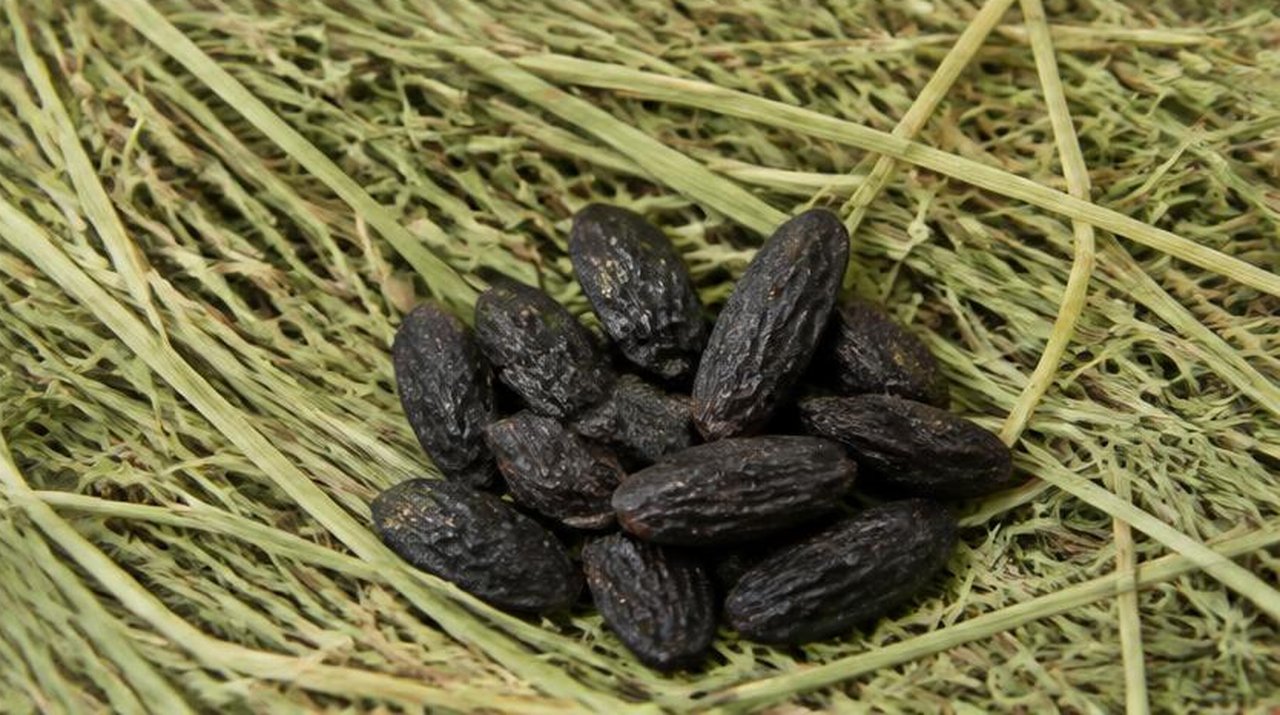
Coumarin: hay, tonka and the smell of a barbershop
Fourteen hours, a ceiling of 1.5 per cent, and already inside six of the naturals on your shelf. Most people use it twice over without noticing.
Read the post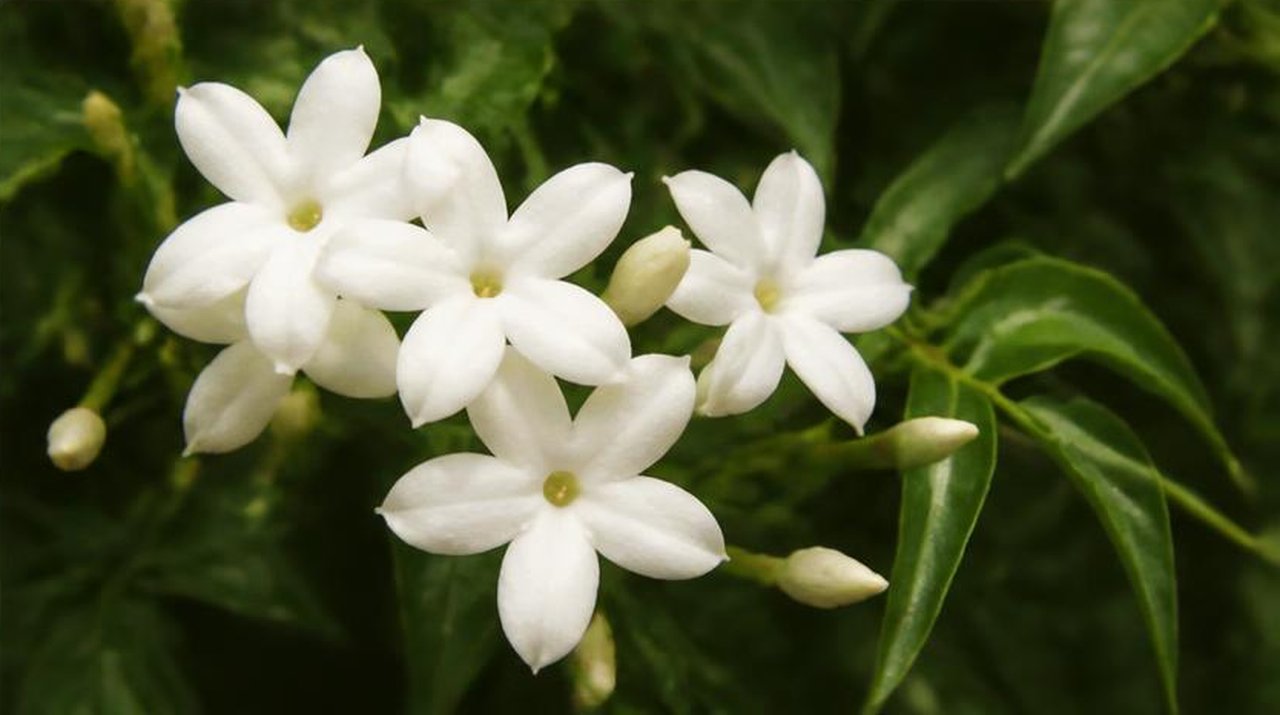
Why the same natural smells different bottle to bottle
Harvest, weather, extraction route and age all end up in the bottle. Buy one lot, keep a sample of it, and know when to stop fighting and use a reconstruction instead.
Read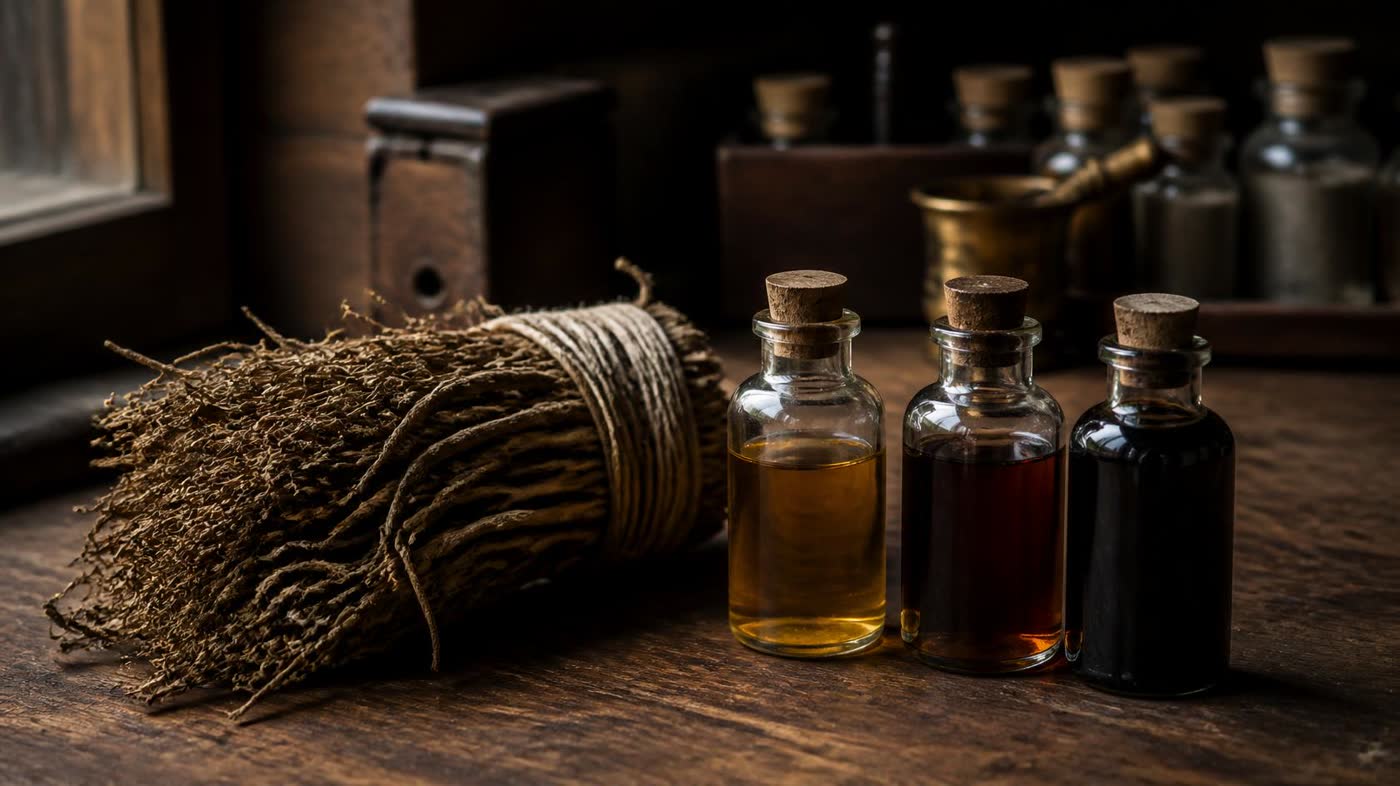
Three vetivers, one grass: Haiti, Java and Bourbon
Same plant, same registry number, three different smells. Two of them last twenty-six hours and the expensive one lasts fourteen. Which to buy first, and why.
Read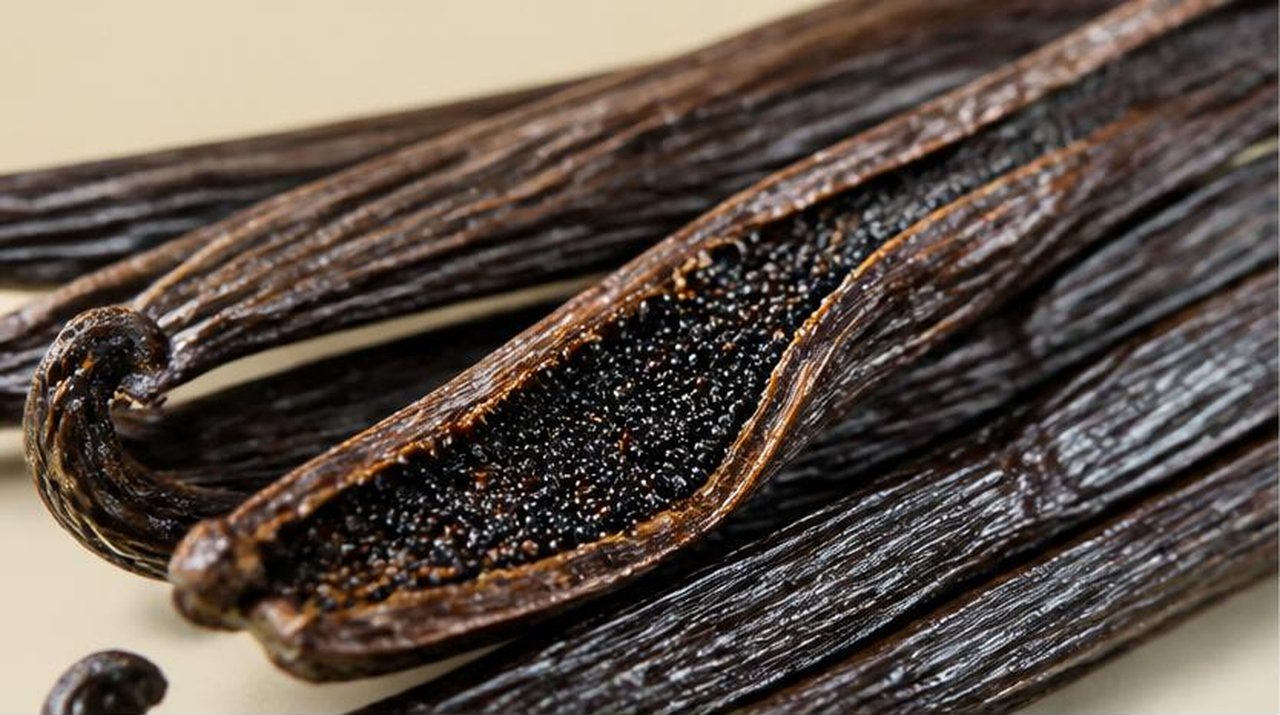
Making a tincture: weaker than you expect, and worth it anyway
One part material to nine parts alcohol, three months in a cupboard, and a jar that will never match the absolute. The ratio, the wait, and what a tincture is actually for.
Read
François Coty and the perfume you could afford
He is remembered for Chypre, which named a whole family. What he actually changed was who perfume was for, and what it was allowed to be made of.
Read
Why it smells flat when every material is good
Flat is not a materials problem. It is too much agreement. What the cohesion number on the bench measures, and the three moves that open a formula up.
Read
Ernest Beaux and the aldehyde overdose
Three aldehydes, an odour impact of 8.5, a working window that closes at a third of a per cent, and no IFRA limit at all. What Chanel No 5 teaches about dosing.
Read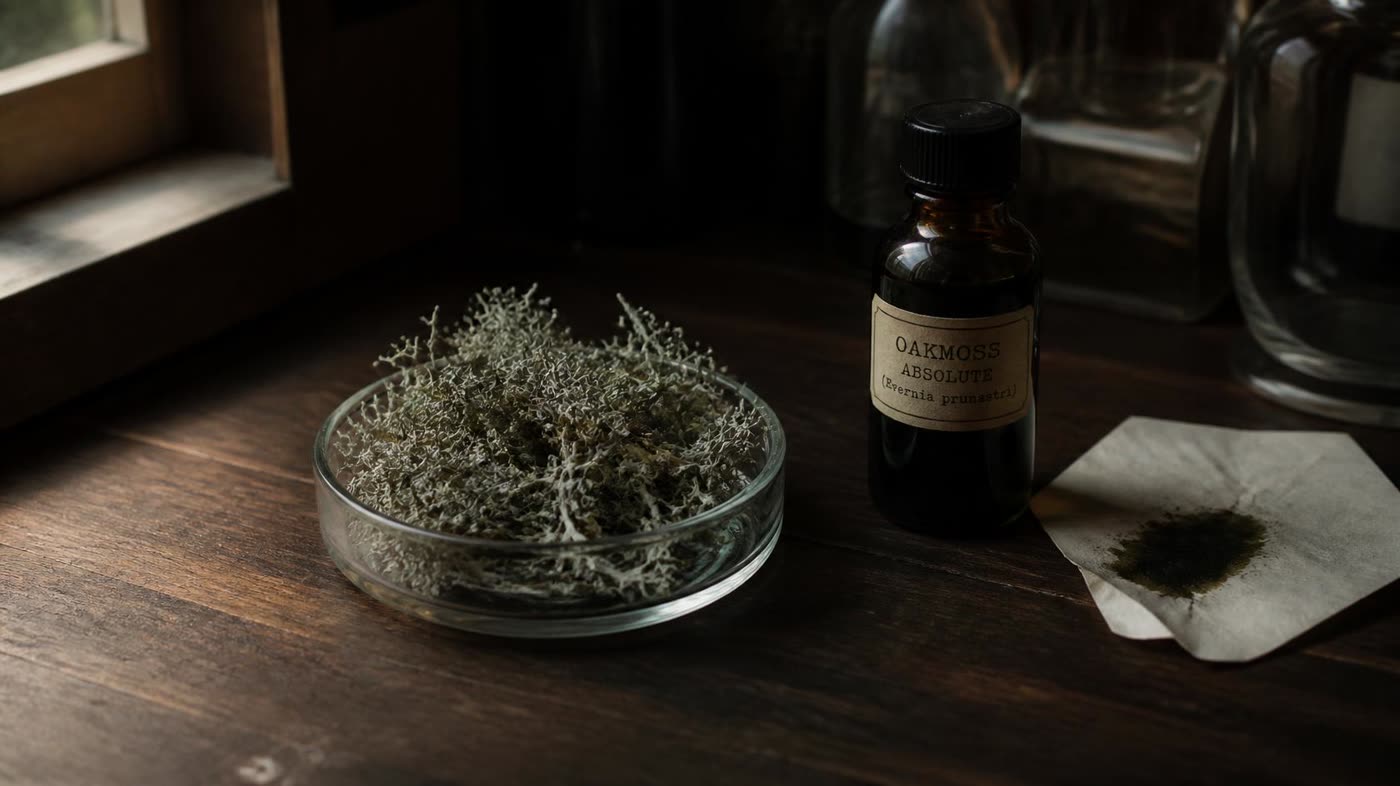
What the oakmoss restriction actually says
The ceiling is 0.1 per cent of the finished bottle, not of the oil. In a chypre that is four tenths of a per cent of your concentrate. Here is how to build a base out of that.
Read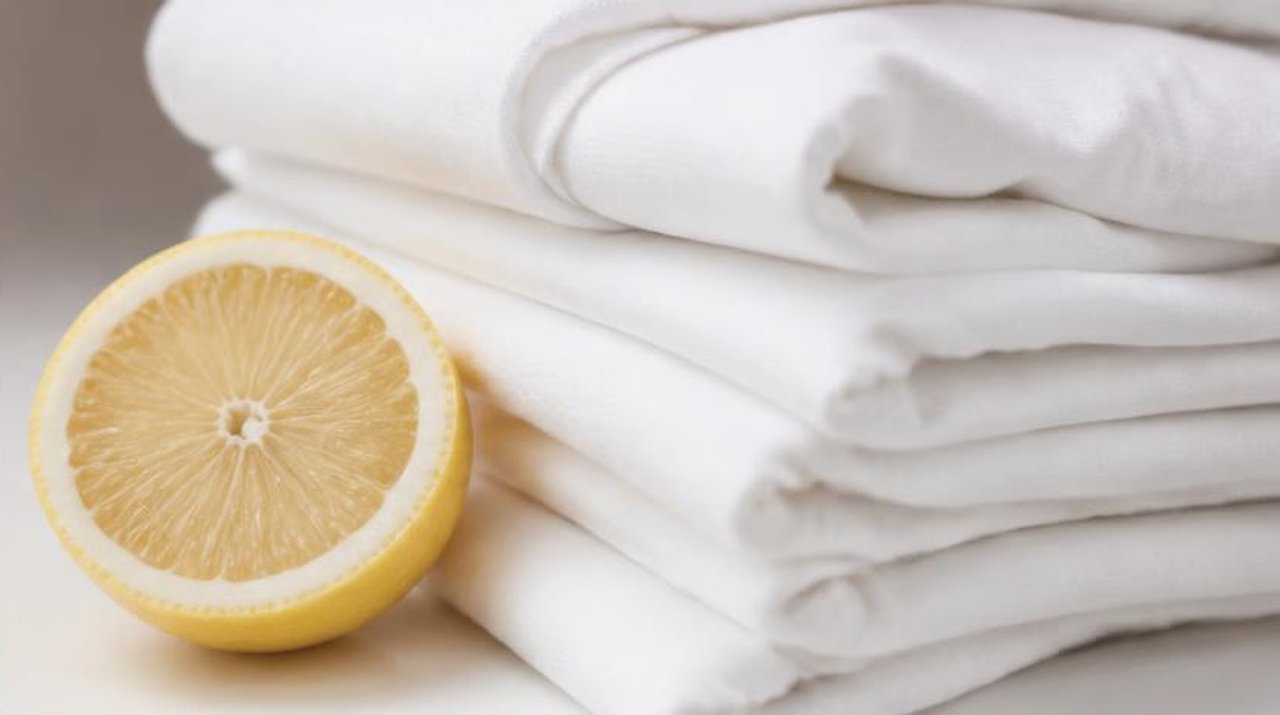
What aldehydes actually do
Half a milligram changes the whole opening. Nine aldehydes in the library, not one of them working above 0.4 per cent, and none of them smelling of anything you could name.
Read
Paul Parquet and the perfume built around a synthetic
Coumarin holds for fourteen hours, smells of hay and almond, and is capped at 1.5 per cent. In 1882 it went in the middle of a formula rather than the margin, and a whole family followed.
Read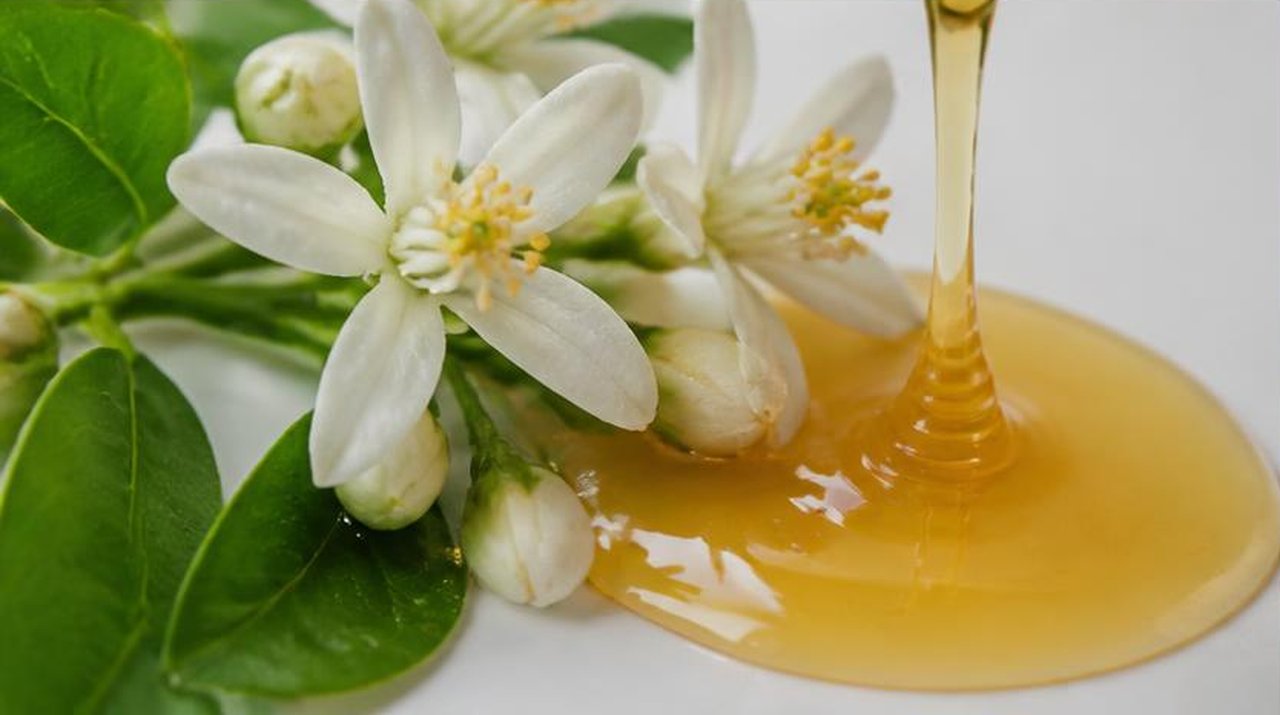
Schiff bases: the reaction that happens in your bottle whether you planned it or not
Methyl anthranilate beside an aldehyde is not a mixture. It is a reaction, and the colour change is how you find out.
Read
The hug me accord: four synthetics that held up a decade
Sophia Grojsman named it, Trésor was built on it, and it has no smell of its own. Four materials doing one job.
Read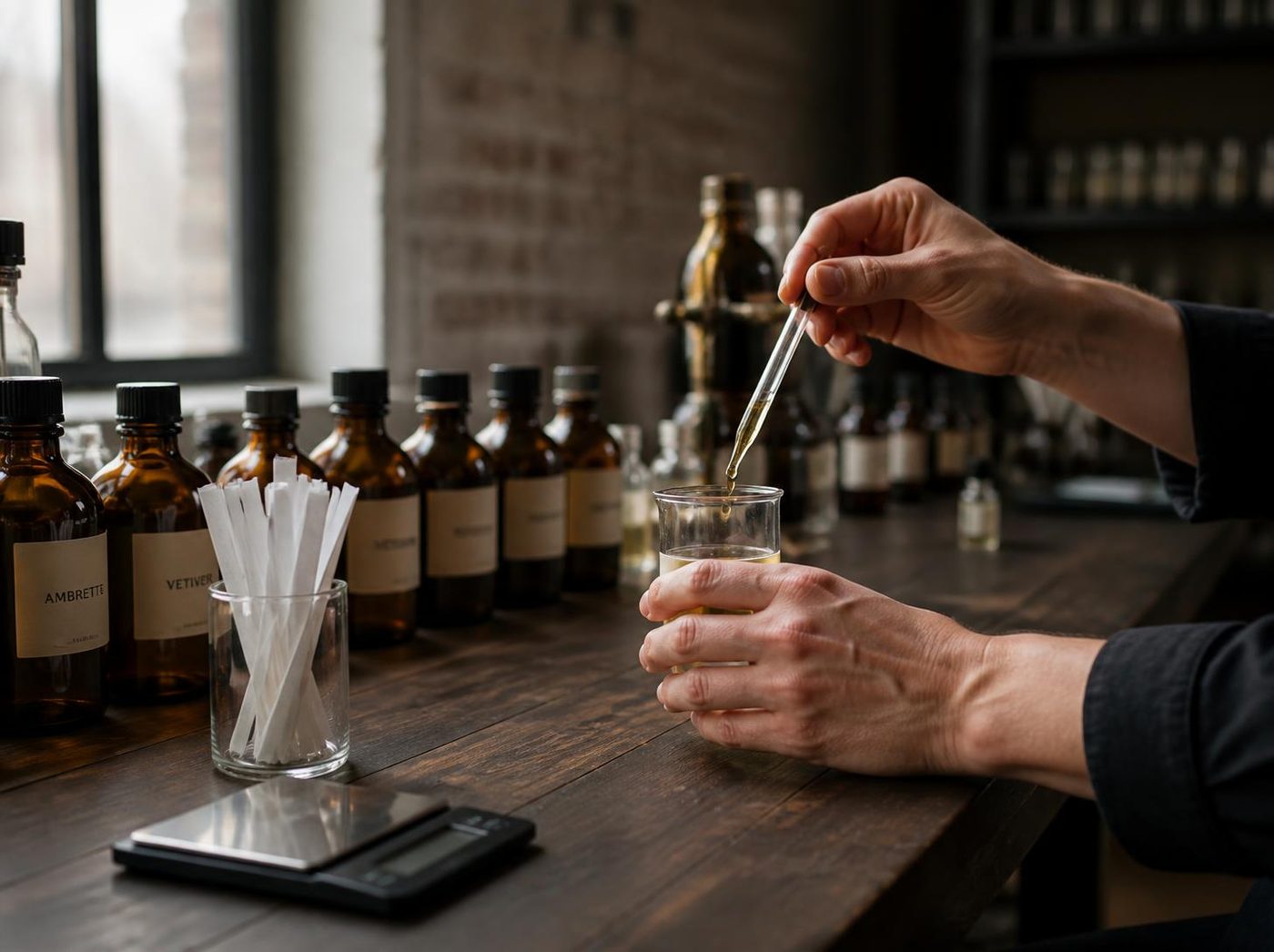
Your first ten materials, and why these ten
Not the ten that smell best on a blotter. The ten that teach you most, cost least, and make something recognisable on the first evening.
Read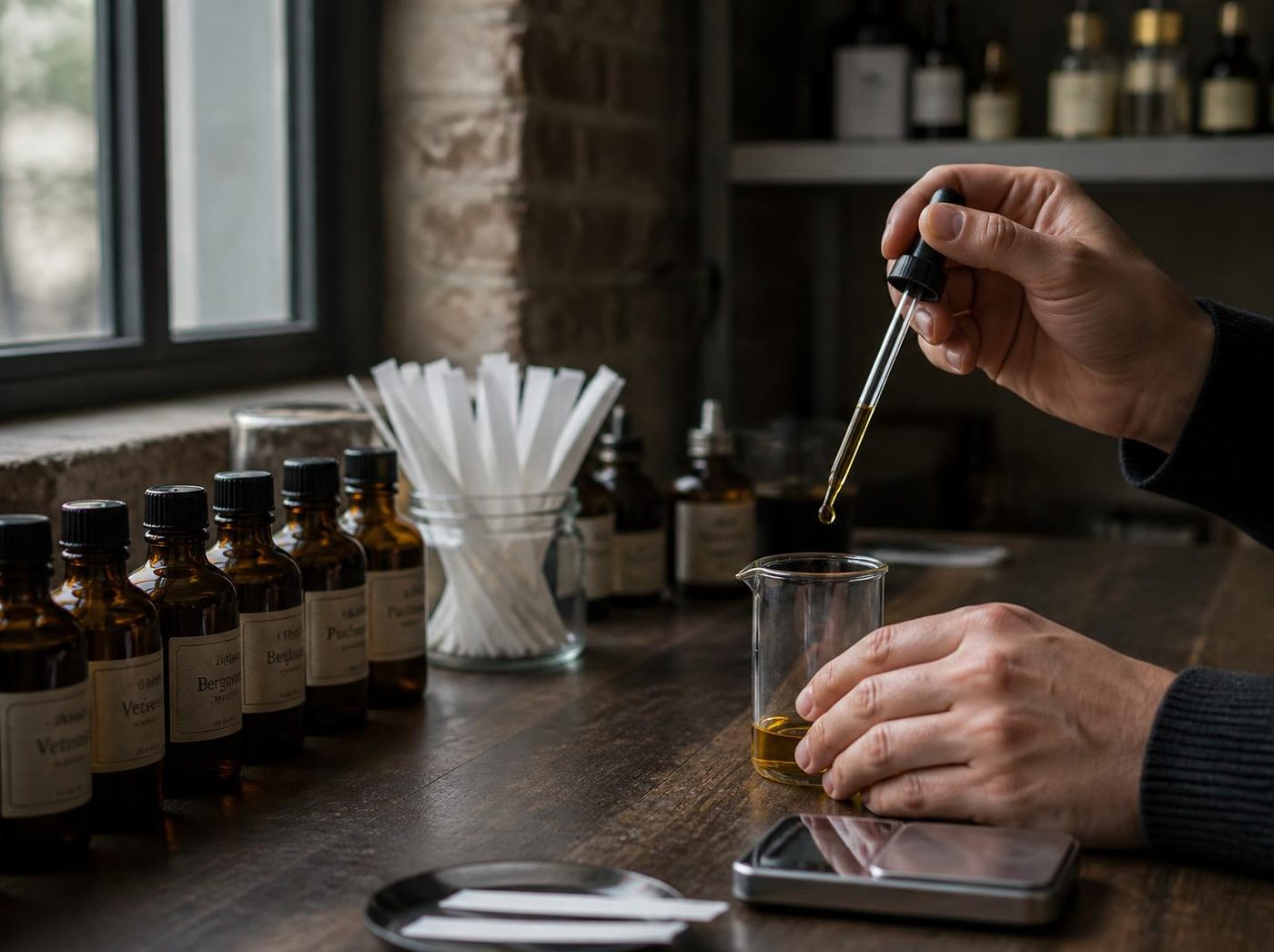
The cheapest real bench: scales, pipettes, glass, alcohol
You can start properly for less than one designer bottle, as long as you spend it on the four things that matter.
Read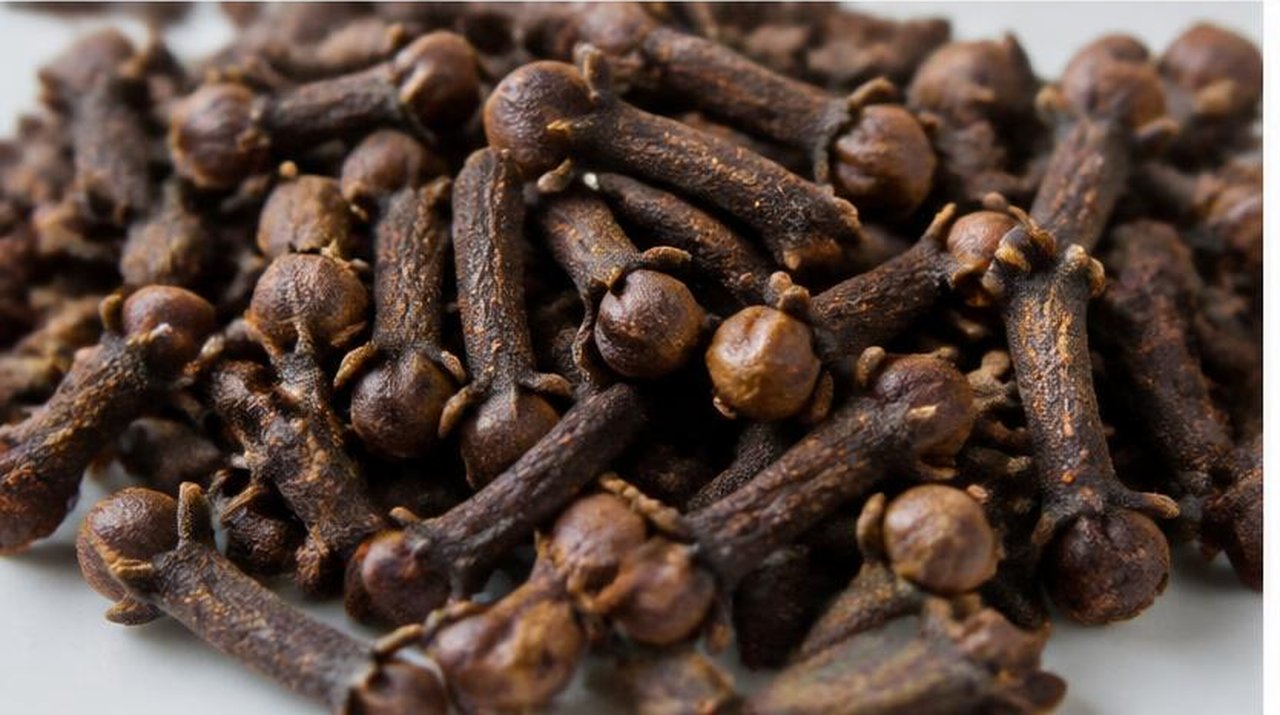
IFRA categories: why the same formula has four different limits
The same molecule at the same dose is fine in a soap, restricted in a perfume and forbidden on a lip balm. The reason is not the molecule.
Read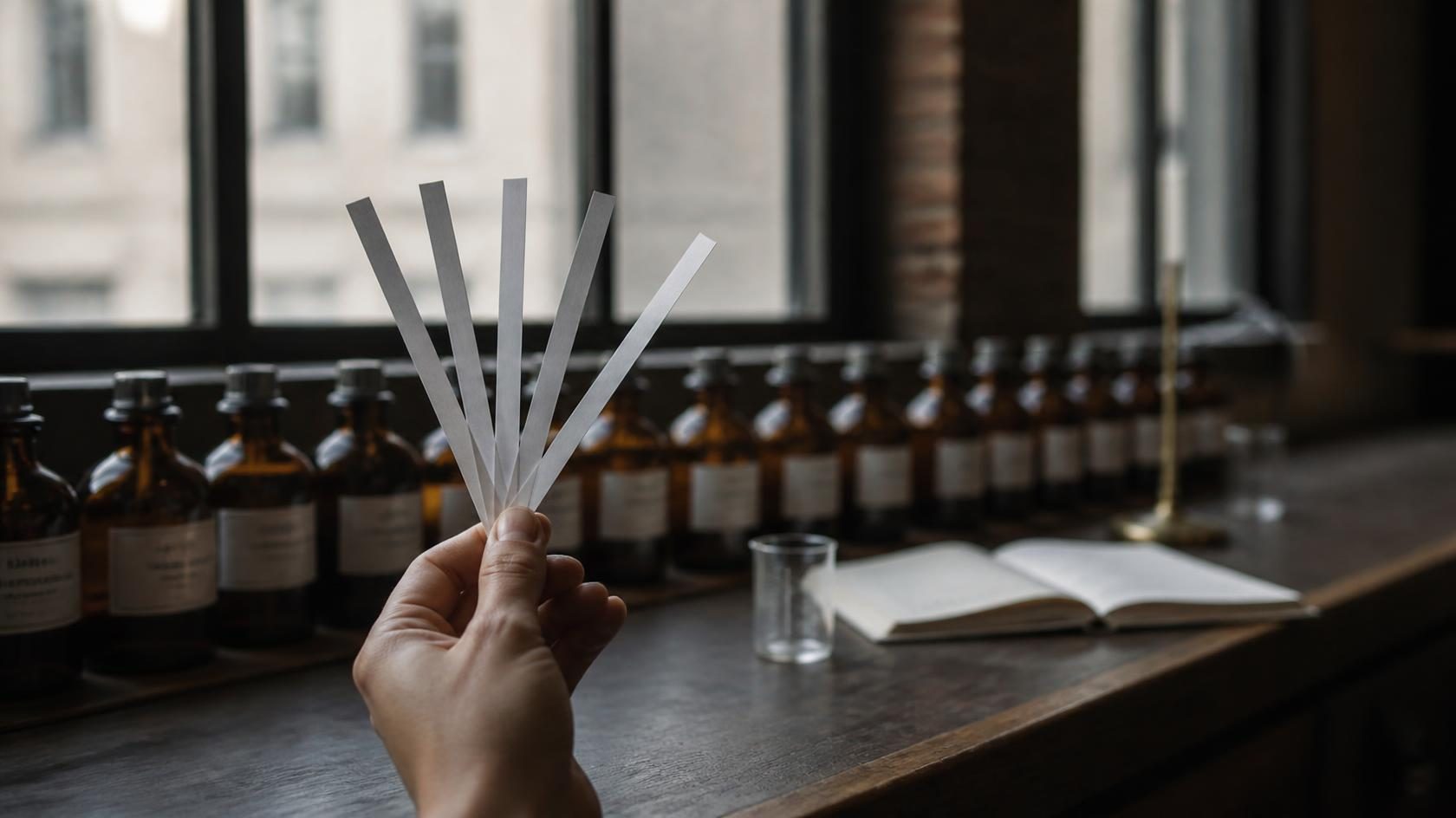
How to smell properly: blotters, spacing and fatigue
Your nose stops discriminating after about four materials. Almost everything else is arranging your afternoon around that one fact.
Read
Dilutions: why 10% solves problems you have not had yet
Some of the best materials are dosed at two thousandths of a per cent. No scale you can afford will weigh that — and you do not need one.
Read
Ambroxan: the closest thing to a shortcut in perfumery
Twenty-two hours, no IFRA restriction, and three jobs from one material. It is also in almost everything, which is the problem.
Read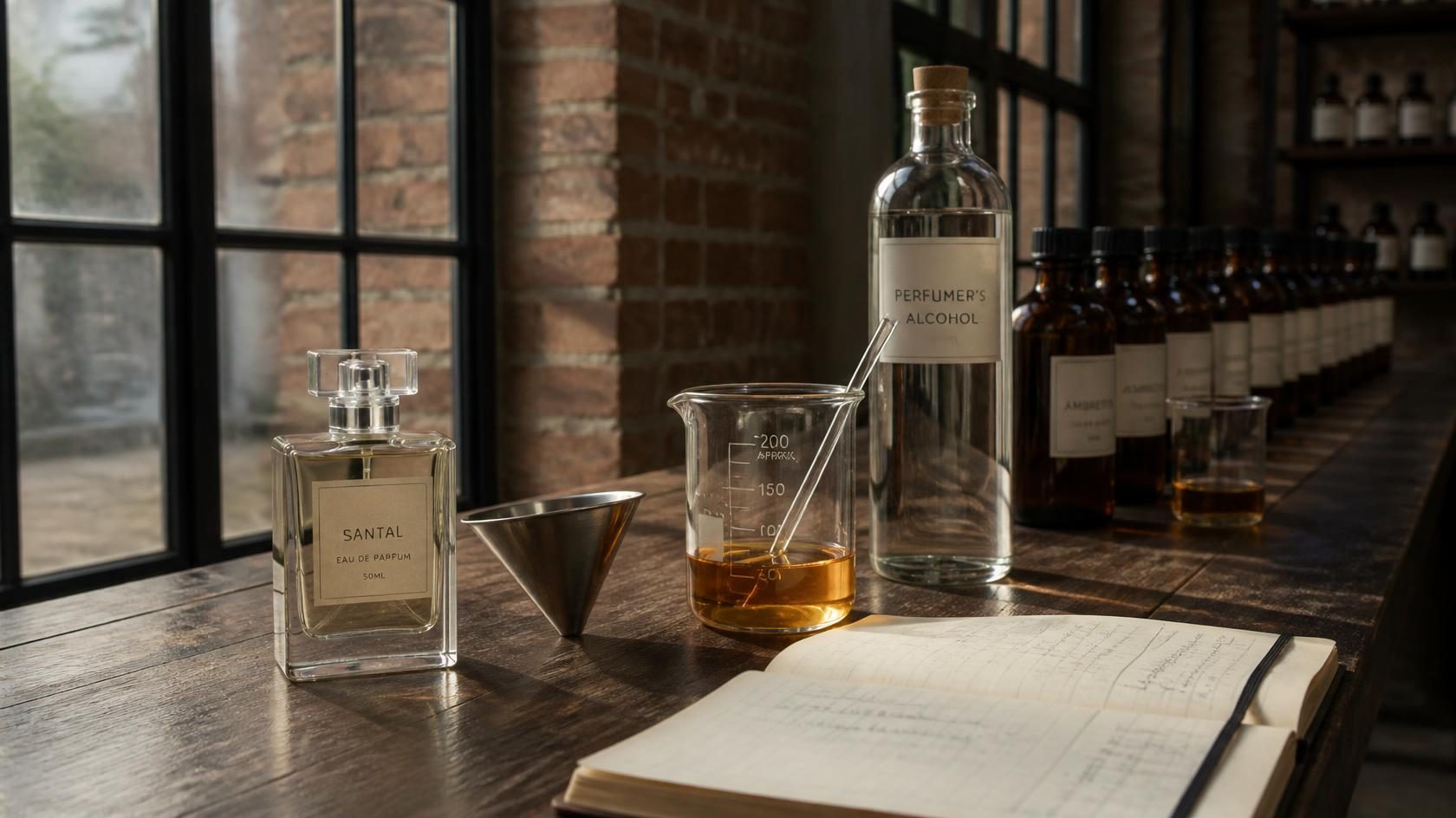
What a 50 ml bottle actually costs to make
Not the oil. The oil is the cheap part, and almost everyone gets this arithmetic wrong in the same direction.
ReadThe jasmine harvest: why it is picked before dawn
The flower opens at night and gives most of its scent in the dark. Several hundred kilograms of hand-picked blossom stand behind one kilo of absolute.
Read
Musk anosmia: why some people cannot smell your base
A nose that works perfectly on everything else can have a gap for one molecule. It is the one quirk of perception that will actively mislead you at the bench.
Read
What a musk actually is, and why the word means four different things
Four unrelated families of molecule share one word. They do not smell alike, they do not last alike, and swapping one for another changes what a perfume is about.
Read
Drops are a lie: why perfumers weigh
A drop is not a unit. It changes with the material, the pipette and the room — and here is how to make the switch in a day.
ReadIso E Super: the material you have smelled a thousand times
In half the perfumes you own, invisible to a good share of noses, and famous for being used almost alone.
Read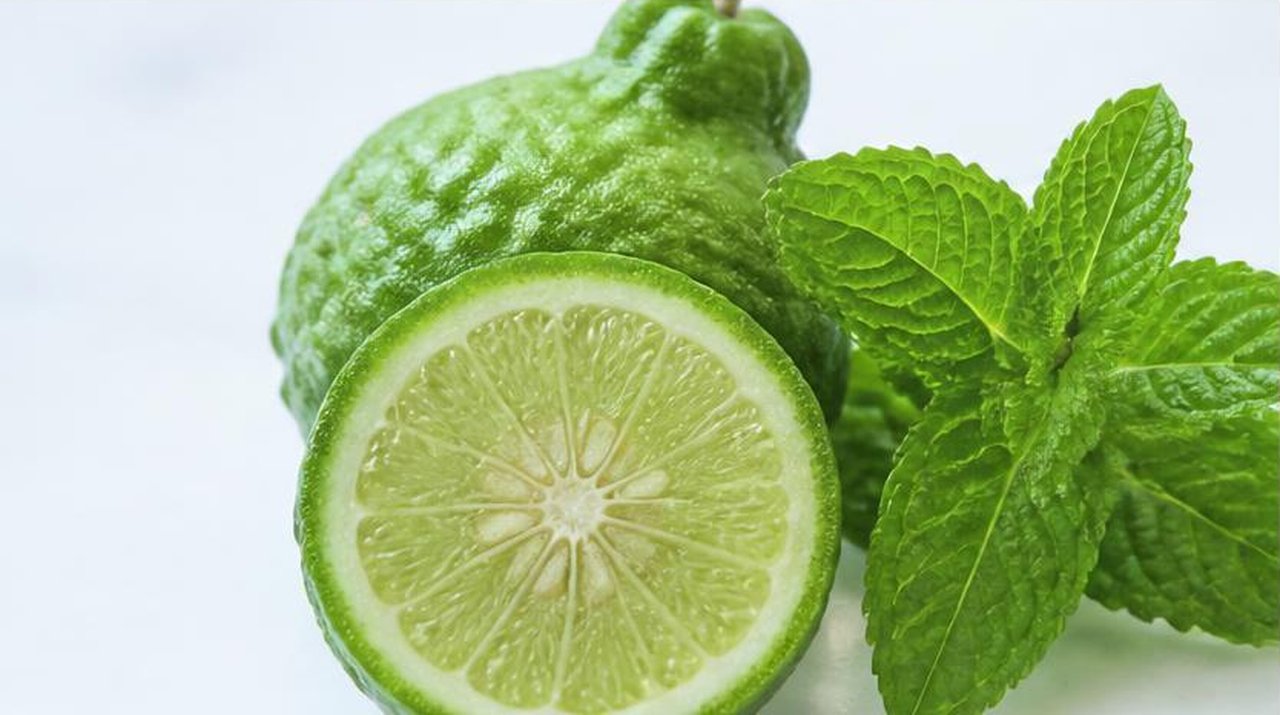
Why your perfume disappears after an hour
Your perfume has not stopped working. The part you built it around has simply left. Bergamot is largely gone from skin inside about an hour and a half; vetiver is still there twenty-six hours later. Put those two in the same bottle and you have not made one perfume — you have made a sequence of them.
Read
What IFRA actually restricts, and why
Not a ban list. A set of limits with reasons behind them — explained without the jargon, for people who intend to sell.
SoonA note when something worth reading appears
One post a fortnight, no more. Materials, craft and safety — and nothing else.