IFRA categories: why the same formula has four different limits
The same molecule at the same dose is fine in a soap, restricted in a perfume and forbidden on a lip balm. The reason is not the molecule. It is you.
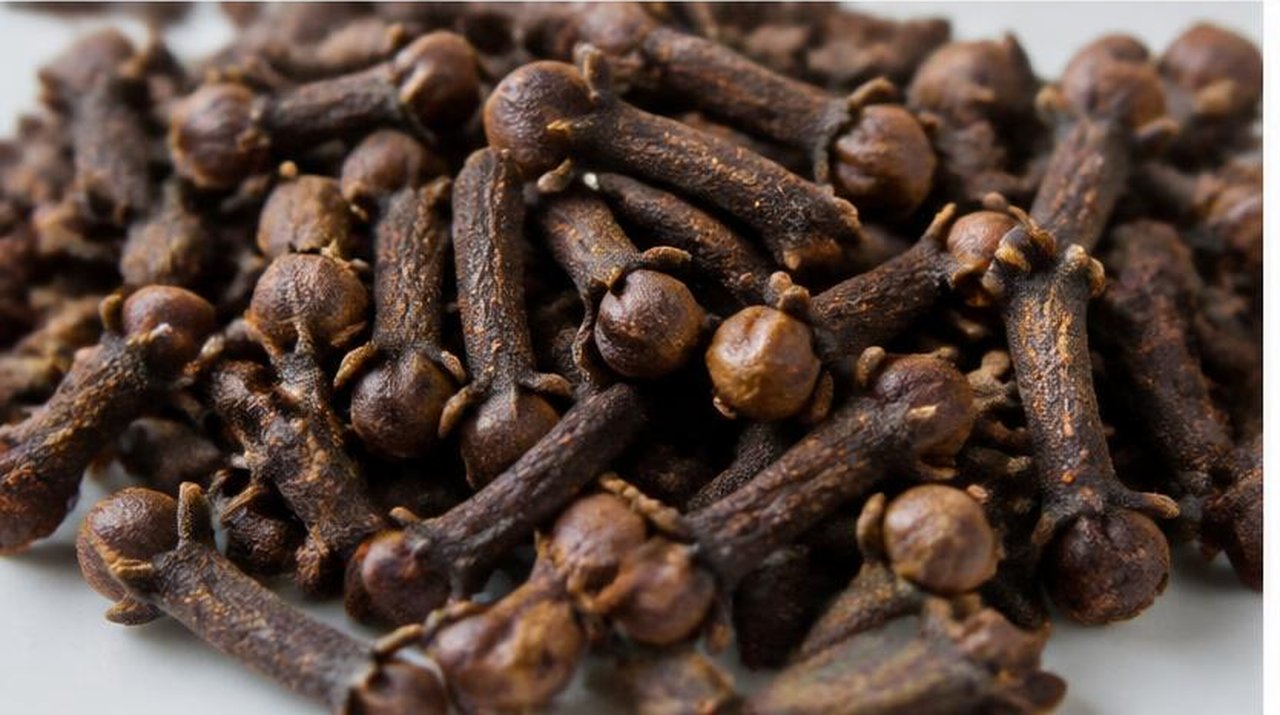
The first time somebody meets an IFRA limit they read it as a property of the material: eugenol is limited to 0.5 %, the way water boils at 100 degrees. It is not. That 0.5 % is the limit for eugenol in a fine fragrance. Put the identical formula into a deodorant and the limit falls to about 0.027 %. Put it into a bar of soap and it rises to roughly 1 %.
Same molecule. Same dose. Nineteen-fold difference between the tightest and the loosest, and nothing about the chemistry changed.
What is actually being limited
The standards are built on exposure — how much of a material reaches how much skin, for how long, and on which part of the body. A perfume is sprayed on a small area and left. A soap is spread over the whole body and rinsed off within a minute. A deodorant goes on freshly shaved skin, under an arm, and stays there all day. A lip balm ends up eaten.
So the categories are not product types for the sake of tidiness. Each one is a different answer to the question how much of this ends up in a person.
The shape of it
Category 4 — fine fragrance — is the reference most people meet first. Relative to it, roughly:
| Category | What it covers | Relative to fine fragrance |
|---|---|---|
| 1 | Lips | about a fifth |
| 2 | Underarm | about a twentieth |
| 3 | Face, applied with fingertips | about a sixth |
| 4 | Fine fragrance | the reference |
| 5D | Baby products | about a twelfth |
| 9 | Soap and body wash | about double |
| 10B | Household aerosols | about seven times |
The part that surprises everyone
Soap and household sprays get higher limits than perfume, not lower. It feels backwards until you say the reason out loud: a soap is on your skin for forty seconds and then goes down the drain, while a perfume is applied undiluted to a pulse point and stays for a day. Rinse-off is a smaller exposure than leave-on, however much more soap you use.
And the tightest categories are not the ones with the strongest products. They are the ones with the most vulnerable skin, the longest contact, or the shortest route to being swallowed: underarm, babies, lips.
Aggregation, which is the hard part
A limit is not a limit on a bottle of eugenol. It is a limit on eugenol in the finished product, from every source at once.
Eugenol arrives in your formula from clove, from cinnamon leaf, from rose absolute, from ylang, from basil — and from the bottle marked Eugenol. Each of those is modest. Added together they are frequently not, and the perfumer who checked only the bottle marked Eugenol has not checked anything at all.
This is the single most common way an amateur formula fails a real compliance check, and it is invisible without doing the arithmetic across every material in the formula, every time it changes.
The Compliance panel in the Crafted Scent application does exactly this aggregation: it adds up every restricted substance arriving from every material in the formula and checks the total, which is how the regulation actually works. Change the Category dropdown from Fine fragrance to Underarm and watch a formula that passed a moment ago turn red without a single number in it changing.
Open the compliance panel →Two honest warnings
One. The figures in the application are read straight from the standards for Category 4 only. The other categories are scaled from it, which is close enough to design with and not good enough to sell on. If you are putting a product into a category other than fine fragrance, read that material’s actual standard before you commit. The application says so itself, in the panel, for the same reason.
Two. Some materials are not restricted in a category — they are prohibited in it. A percentage of zero is not the same kind of statement as a percentage of 0.5, and no scaling factor will turn one into the other.
Why bother, if you are not selling anything
Because the limits are mostly about sensitisation, and sensitisation is permanent. The person most exposed to your formulas — by a wide margin, every day, at working strength — is you. Somebody who develops a contact allergy to a material in their second year does not get to design with it in their tenth.
Working inside the limits from the first blend costs nothing. It is the cheapest insurance in the craft, and the only kind you buy by simply paying attention.