The jasmine harvest: why it is picked before dawn
The flower opens at night and gives most of its scent in the dark. By the time the sun is properly up, a good deal of what you are paying for has gone into the air.
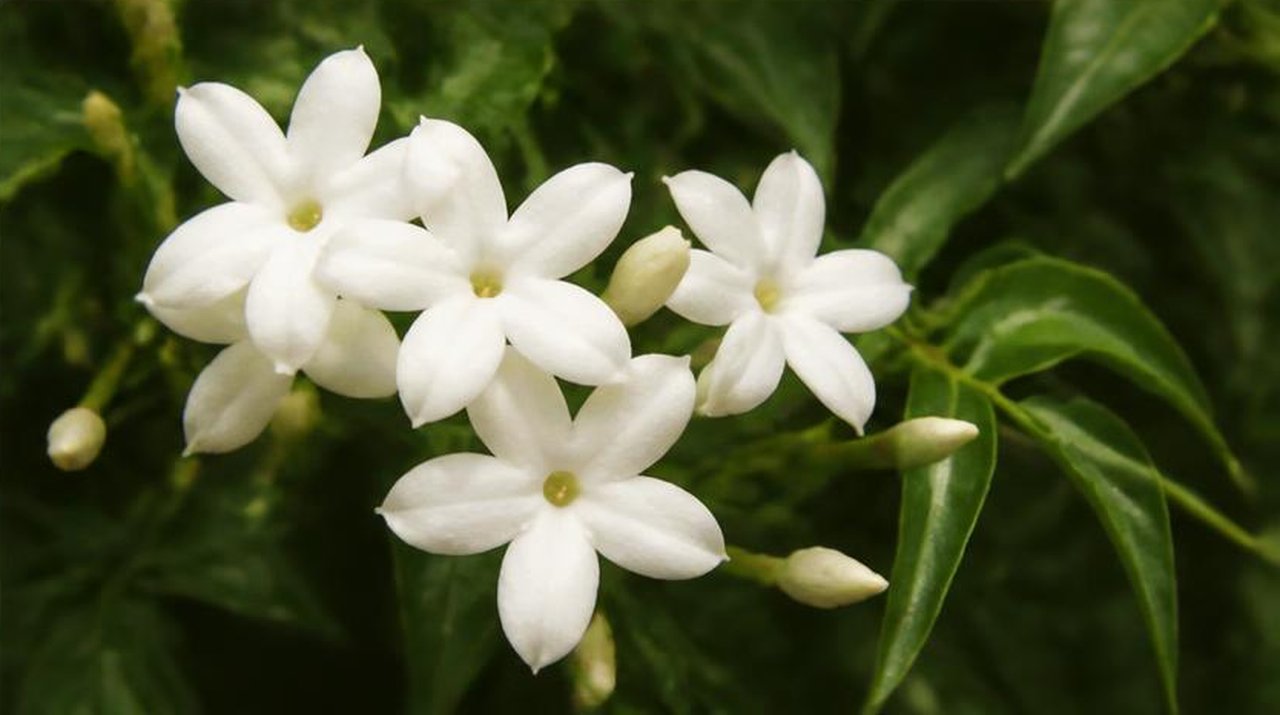
Almost everything expensive in perfumery is expensive for a reason you can see if you look at how it is made. Jasmine is the clearest case, and the numbers are worth carrying in your head the next time you flinch at the price of a 10 ml bottle.
The flower keeps its own hours
Jasmine blooms at night. The flowers open after dark and release most of their scent in the hours before dawn, and the aromatic compounds are volatile — that is what volatile means, they leave. Warmth accelerates it. A flower picked at ten in the morning has already given a meaningful part of its oil to the sky, and heat in the basket on the way to the still costs more still.
So the harvest begins in the dark and is finished early. Pickers work by hand, one blossom at a time, because the flower is too delicate for anything else and the calyx must stay behind. They are usually paid by weight, which is a hard way to earn a living when a thousand flowers weigh very little.
Two different jasmines
Jasminum grandiflorum is the one most people mean — rich, indolic, fruity, the classic. Jasminum sambac is greener, brighter, more tea-like and less animal. They are not interchangeable, and a formula written for one and made with the other is a different perfume.
Where matters as much as which. Grasse still grows grandiflorum in small quantities at extraordinary prices, largely under long-standing arrangements with particular houses. The volume comes from Egypt and India, and the same species from different soil, climate and altitude gives a noticeably different oil — which is why serious formulas name the origin, not just the flower.
Why there is no jasmine essential oil
You cannot steam-distil jasmine. The heat destroys what you were trying to capture. So the route is solvent extraction, in two steps:
- The flowers are washed with a solvent, which is then removed to leave a waxy semi-solid called a concrete.
- The concrete is washed with ethanol, chilled, and filtered to drop out the plant waxes. Take the ethanol off and what remains is the absolute.
This is why you buy jasmine absolute and not jasmine essential oil, and why anyone selling you a cheap "jasmine essential oil" is selling you something else.
The commonly cited figure is in the region of 700 kilograms of flowers to a kilogram of absolute, and it varies with species, season and method. At something like eight to ten thousand flowers to the kilogram, the arithmetic runs to millions of blossoms, every one of them picked by a person before sunrise.
The indole problem
Neat jasmine absolute does not smell like the jasmine in a perfume. It carries indole, which in isolation is frankly faecal, and beginners smelling the absolute for the first time often conclude they have been sold something rancid.
They have not. That animal edge is exactly what gives jasmine its warmth and its carrying power in a blend, and it recedes as the material is diluted. Smell it at 1%, not neat, and you will meet the flower you were expecting.
What this changes at the bench
- Buy small, buy diluted. A 10% dilution of a good absolute teaches you more per pound spent than a neat bottle you are frightened to open.
- Expect batches to differ. A natural is an agricultural product. The same supplier, the same species, a different year — and your formula shifts. This is the argument for reading a certificate of analysis rather than assuming.
- Know what the synthetics do and do not replace. Hedione, benzyl acetate, methyl anthranilate and a little indole build a serviceable jasmine accord for a fraction of the price. It is not the same thing. It is often the right thing.
Both jasmines are in the Crafted Scent library with their facets, strength, tenacity and IFRA position, alongside the aroma chemicals that build a jasmine accord — so you can compare what the absolute costs you against what the reconstruction costs you, on your own prices.
Open the library →