Why the same natural smells different bottle to bottle
One lot of jasmine absolute is not another lot. Buy enough of a single batch to finish the work, keep a sealed sample of it, and most of the problem stops being a problem.
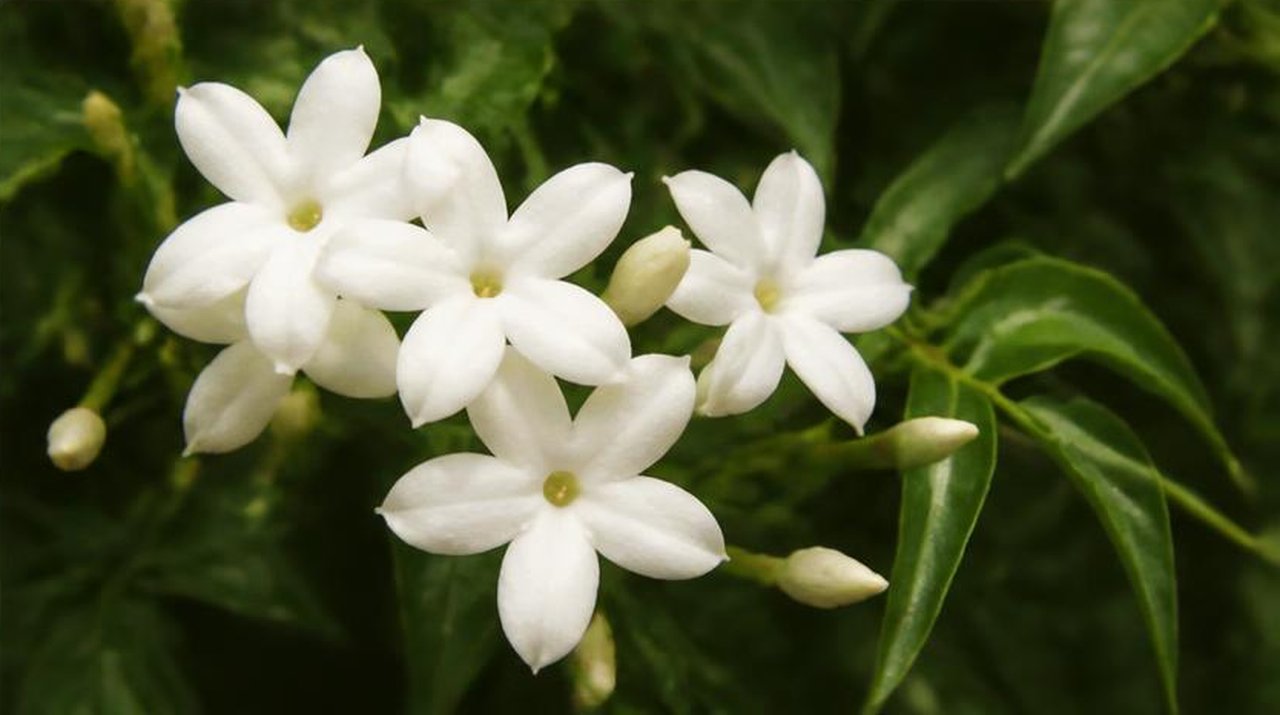
Buy your naturals a lot at a time, and keep a little of each lot back. That is the working answer. Everything below is why it is the answer.
A natural is an agricultural product with a chemical name on the label. The bottle says Jasmine grandiflorum absolute, and what is inside came from particular fields in one season, through one extraction plant. Order the same name next year and you get a different oil under the same words.
The four things that move
Harvest and weather. Rain, heat, soil and the hour of picking all end up in the oil. The library treats origin as part of the material rather than a footnote to it. Vetiver Haiti is rooty and earthy with a smoky grapefruit edge and works at 0.5 to 10 per cent of the concentrate. Vetiver Java is smokier and more leathery, and does its work at 0.3 to 8 per cent because it hits harder. Both hold for 26 hours. They are the same grass. And that is before this year’s Haiti meets last year’s.
What the supplier kept. Ylang ylang is distilled in fractions, and the library carries four. First is the most floral, at odour impact 6.5 and three hours on skin. Extra is stronger and lasts four. Third is the dry balsamic tail, cheap. Complete is the undivided distillate. All four share the same IFRA category 4 ceiling of 0.73 per cent, and none of them smells like another. A label reading only ylang ylang has not told you what you bought.
The extraction route. Rose otto is distilled; rose absolute is washed out with solvent. The otto runs about six hours and carries citronellol at roughly 35 per cent of its weight, geraniol at 18. The absolute runs eight hours and carries both at a little over half those figures. Neither is the better rose.
Age. Citrus is the impatient case: the bright peel lift is the first thing to leave a bottle that has been opened a few times, and sweet orange has only half an hour of substantivity to lose. Patchouli goes the other way and mellows for years. The age of a bottle belongs on the bottle.
One plant, two materials
| Plant | Two entries in the library | What separates them |
|---|---|---|
| Vetiver | Haiti 0.5–10 %, Java 0.3–8 % | Origin |
| Rose | Otto 6 h, absolute 8 h | Distilled or extracted |
| Jasmine | Grandiflorum 0.6 %, sambac 3.8 % | IFRA category 4 ceilings |
| Ylang ylang | First impact 6.5, third 5.5 | Which fraction was kept |
In none of those pairs can one stand in for the other.
What it does to a formula you want to repeat
The smell shifts, which you expected. A batch greener or more indolic than the one you designed on drags the accord with it, and the louder the material, the further it drags. Jasmine grandiflorum absolute sits at odour impact 8 and stays ten hours, so it is not a line that quietly absorbs a bad year.
The compliance arithmetic shifts too, which is less expected. Naturals carry restricted substances, and a limit counts across every source at once. Jasmine grandiflorum absolute carries indole at about 2 per cent of its weight and farnesol at 1.5. Ylang carries isoeugenol, capped at 0.11 per cent of the finished product and the tightest ceiling on this page. A lot running richer in any of those moves your ceiling while the formula sits unchanged. The studio does that sum on the figures it holds; your category and the certificate of analysis for your own lot make it true for your bottle.
Four habits that make a natural repeatable
- Buy one lot, and enough of it. Work out what the project needs and order it once. A second bottle six months later is a second material.
- Keep a reference. From the lot you designed on, set aside a small sealed sample at 10 per cent, filled to the neck, out of the light. It is the only way to tell whether the new bottle changed or your nose did.
- Date every bottle on the day it arrives, not the day you open it.
- Write the origin and the lot into the formula, not just the name of the plant.
When to switch to a reconstruction
A reconstruction is the flower built from named chemicals instead of grown. Hedione carries the airy jasmine diffusion and works anywhere from 2 to 40 per cent with nothing to check. Benzyl acetate gives the fruity top at 0.5 to 10. Hexyl cinnamal gives the soft fatty body, with a category 4 ceiling of 9.9 per cent. Methyl anthranilate does the grape-blossom powder at 0.05 to 2. Indole does the dirt at 0.002 to 0.15 per cent and odour impact 9.5, so it arrives as a dilution and a very small number.
Switch when repeating the formula matters more than the last tenth of its depth: something you will make again next year, something another person will make from your notes. Keep the natural when the flower itself is the point.
Most working answers are both. The reconstruction builds the body, a fraction of a per cent of the absolute goes on top, and a bad harvest costs you a shade rather than the formula.
Put jasmine grandiflorum absolute and jasmine sambac absolute side by side at 1 per cent and read their facets. Grandiflorum is warm, fruity and animalic; sambac is green and tea-like. Then watch what happens to the ceiling when you swap one for the other.
Open the bench →