Paul Parquet and the perfume built around a synthetic
Coumarin holds for fourteen hours, smells of hay and almond, and is capped at 1.5 per cent. In 1882 it went in the middle of a formula rather than the margin, and a whole family followed.
Three materials, three different clocks. In the Crafted Scent library lavender fine holds for 2.5 hours, coumarin for 14, and oakmoss absolute for 18. Put those three in one formula and you do not get a blend. You get a handover. The herb speaks, hands over to the hay, and the hay settles onto the moss. That gradient is the whole fougère, and it is one of the most copied structures in perfumery.
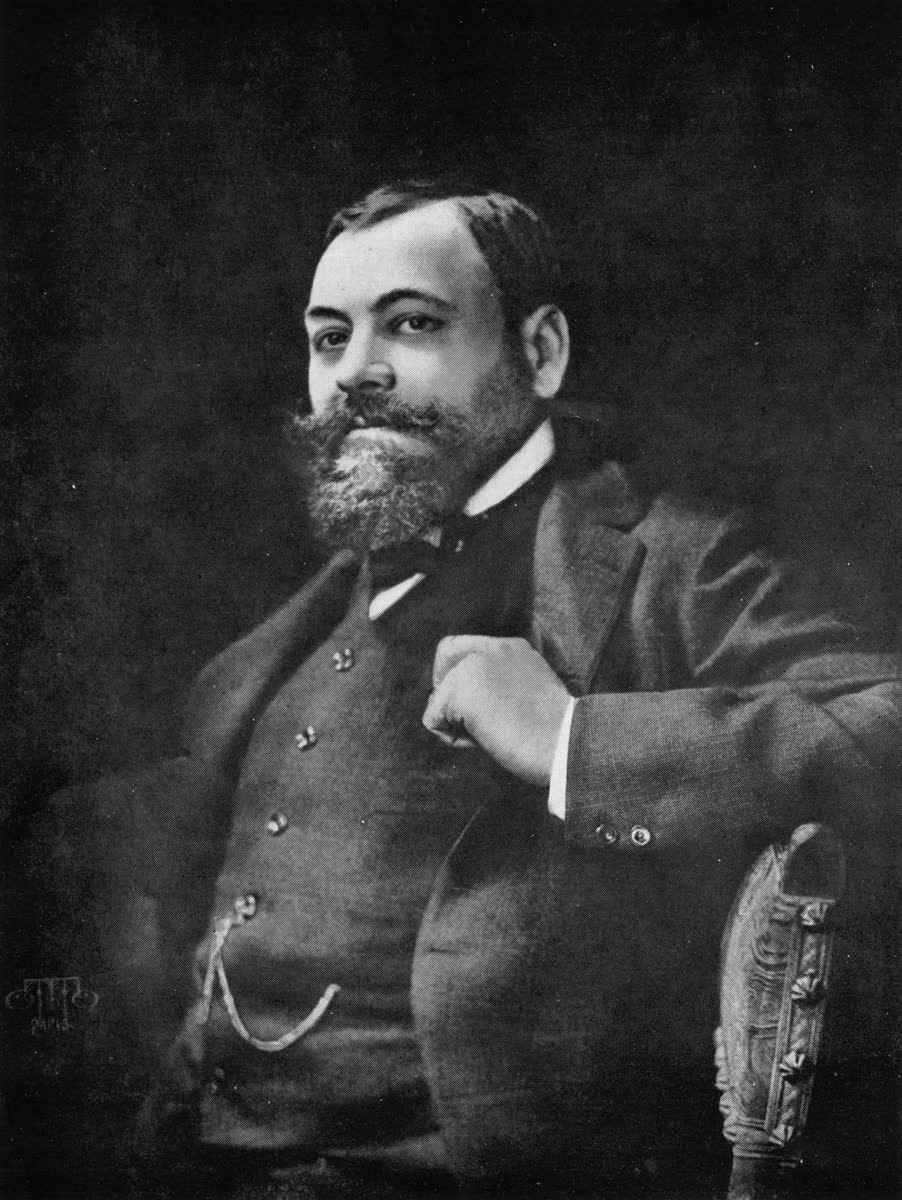
Paul Parquet, 1856 to 1916, was a perfumer and part-owner of Houbigant, a Paris house founded in 1775. In 1882 the house released Fougère Royale. Fougère means fern, and ferns have no smell, so the name promised nothing anyone could check it against. What the perfume had instead was a shape, and that shape is still on the shelf.
Nobody outside the house has the formula. Treat any proportion you read as somebody’s estimate. The materials it is built from are not estimates, and this is how they behave.
What the numbers say
| Lavender fine | Coumarin | Oakmoss absolute | |
|---|---|---|---|
| Family | Aromatic | Gourmand | Mossy |
| Facets | Herbal, floral, fresh, camphor | Hay, almond, tonka, sweet | Mossy, earthy, phenolic, inky |
| Tenacity | 2.5 hours | 14 hours | 18 hours |
| Odour impact | 5.5 of 10 | 7 of 10 | 8 of 10 |
| Working dose | 1–20 % | 0.1–4 % | 0.05–1.5 % |
| IFRA, category 4 | No restriction | 1.5 % | 0.1 % |
Those figures come from the Crafted Scent library, where every material sits on the same scale and can be compared rather than merely quoted. The dose row is a percentage of the concentrate. The IFRA row is a percentage of the finished product.
The decision that mattered
Coumarin had been made in a laboratory since 1868. So the interesting thing about Fougère Royale is not that a synthetic was in it. It is where the synthetic sat.
A laboratory material was often used at the time to stretch or imitate something expensive. Whatever the reasoning was, what the material does in that formula is a job no natural on the bench could do at that price: take a herb with 2.5 hours in it and carry that character for fourteen. The library entry says as much. Coumarin is the defining note of the fougère family, and it has been since 1882.
You will often read that this was the first perfume to contain a synthetic. That claim depends entirely on how you count, and it is argued about. The structural claim is the sturdier one, and you can test it yourself by smelling almost any men’s fragrance made since.
Why the structure still holds
Because it is a ladder, not a chord. Most beginner formulas put everything at the same height, and the result smells complete for twenty minutes and then falls over. The fougère staggers its materials on purpose, and the joins are what you smell.
The classical build in the library sets it out: lavender, geranium and clary sage over coumarin, oakmoss and vetiver. Geranium bourbon holds 3 hours, clary sage 4. Those two sit in the gap between the lavender and the coumarin, which is exactly where a formula wants something when the top starts to thin. Vetiver Haiti runs to 26 hours underneath the lot.
Copy the arrangement rather than the notes. A top that is spent in two hours, something carrying the character through the middle of the day, and a base still there tomorrow. That works whatever you put in each slot.
The two limits you cannot ignore
Coumarin, 1.5 per cent of the finished product in IFRA category 4. That is not only the crystals. Tonka bean absolute carries coumarin at roughly a third of its own weight, so if you use both they are added together against the same ceiling. A formula that looks legal one material at a time can fail when they are summed.
Oakmoss absolute, 0.1 per cent, and only the low-atranol grade may be used at all. That is a very small number and it is still the material you will smell most clearly. A tenth of a per cent of a finished perfume is well below where a bench scale can weigh honestly, which is why oakmoss lives in a 10 per cent dilution and never comes out of the bottle neat. Both limits move with what you are making, so set the category before you set the doses.
If the oakmoss limit is too tight for what you want, Evernyl is the usual answer: 16 hours, a working dose of 0.05 to 2 per cent, and no IFRA restriction at all. It reads drier and more bark-like than the absolute, and at odour impact 6 against oakmoss’s 8 you will need more of it.
Build lavender fine, coumarin and low-atranol oakmoss on the bench and look at the longevity chart. Then delete the coumarin and look again. The perfume does not simply get less sweet. The curve breaks in the middle, and there is a stretch where nothing is holding the formula together. That hole is what coumarin was hired to fill.
Open the bench →What a beginner should take from it
Not the fern. The habit of choosing a material for the clock it keeps rather than for the note on the label. The material in that slot smells warm and dry, does not shout, and holds long after the lavender has gone. Where it came from turned out not to matter.
That question is worth asking of every line in your own formula. How long does this hold, and what is it holding up? Answer it three times and you have a fougère. Answer it honestly and you have a perfume.