Why your perfume disappears after an hour
It has not stopped working. The part you built it around has simply left the room, and what remains was always going to be quieter.
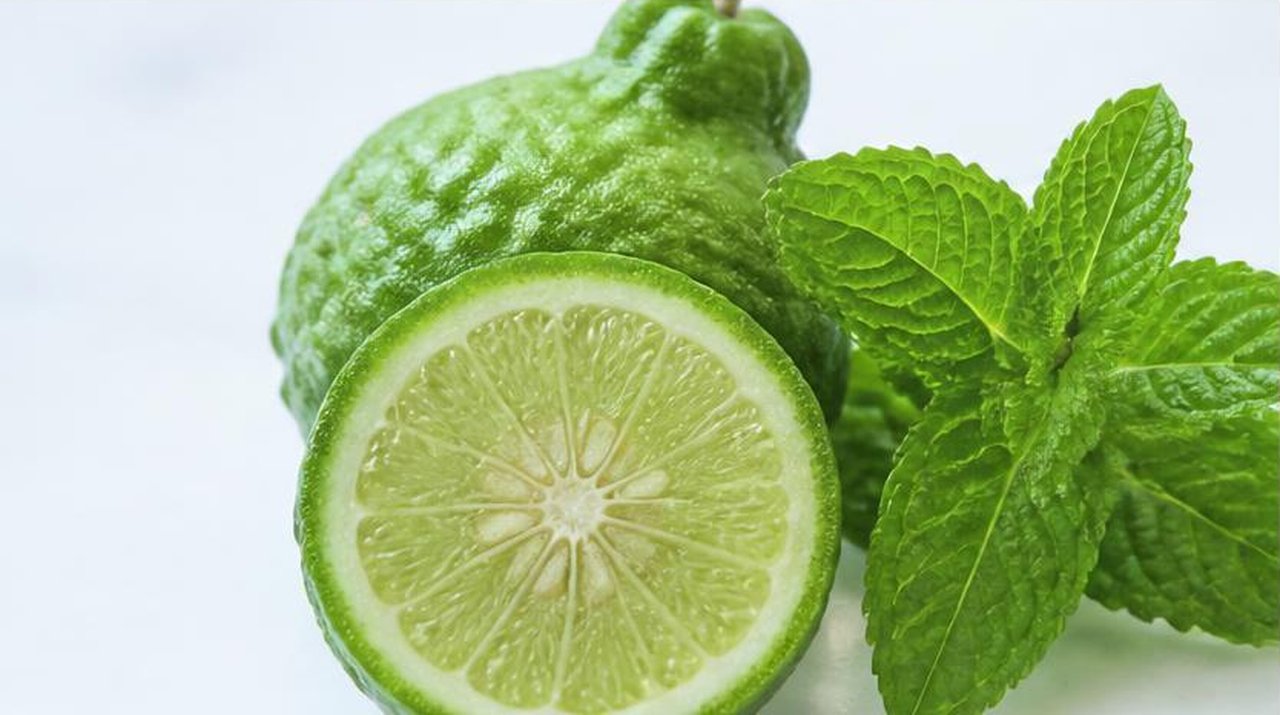
Someone sprays a perfume they have made, loves it, and comes back two hours later to find it has vanished. The usual conclusion is that something went wrong. Almost always, nothing did. What happened is the most ordinary fact in perfumery: the materials left at different times, and the ones doing the work left first.
A perfume is not one smell. It is a queue.
Every aromatic material has a rate at which it leaves a surface, driven mostly by how heavy its molecules are and how readily they take to air. Put twenty materials in a bottle and you have not made one thing that fades evenly. You have made twenty things on twenty different clocks, all starting together and finishing hours or days apart.
| Material | Roughly how long on skin | What it is doing |
|---|---|---|
| Bergamot | 1–2 hours | The brightness you smell first |
| Linalool | 3–6 hours | Soft floral lift, holds the middle |
| Geraniol | 8–12 hours | Rose character, well into the day |
| Iso E Super | 16–24 hours | Warmth and space under everything |
| Vetiver | 24–30 hours | Still there tomorrow |
Put bergamot and vetiver in the same bottle and you have not written one perfume. You have written a sequence of them, and only the first two hours contain both.
Why this feels like disappearance
Two things are happening at once, and they compound.
The first is arithmetic. If the top of your formula is 30% of the material and it is gone inside ninety minutes, you have lost nearly a third of what you built — and it was the loudest third.
The second is your own nose. It adapts to a smell it is continuously exposed to, and it does this within minutes. The perfume on your wrist is still there; you have stopped receiving it. This is why other people can smell a perfume on you that you swear has gone. Ask somebody. It is the cheapest test in perfumery.
The real fault: nothing underneath
Beginners overwhelmingly build with the materials that smell good on a blotter in the first thirty seconds — citrus, light florals, fresh green things. Those are all fast. A formula made entirely of them is brilliant for an hour and then honestly empty, because there was never anything below it.
The fix is not more of the top. Doubling the bergamot buys perhaps fifteen minutes and a sharper opening. The fix is to build something slow for the fast things to sit on.
What to actually do
- Give it a floor. Something in the 20–30% range from the slow end — a wood, a musk, a resin. Iso E Super at 15% is the least controversial place to start and will do more for perceived longevity than anything else you can add.
- Bridge the gap. A perfume that jumps from citrus to woods has a hole in the middle where a heart should be. Materials lasting 4–10 hours — a floral, a soft spice — carry the listener across it.
- Raise the concentration. An eau de toilette at 8–12% aromatic material will not last like an eau de parfum at 15–20%. Some of what people call weak is simply dilute.
- Wait before you judge. A freshly mixed perfume is not finished. Give it two to four weeks in the dark and smell it again — materials settle into one another, and harshness that felt like a fault often is not one.
Put your formula on the bench in the Crafted Scent application. It sorts every material into top, heart and base as you build, and draws the pyramid — so a formula standing on nothing is visible before you have wasted the materials making it.
Open the bench →The habit worth forming
Spray your work on a blotter and smell it at fifteen minutes, one hour, four hours and the next morning. Write down what you find each time, in ordinary words. Four readings on one strip will teach you more about structure than a month of reading about it, because you will be watching your own queue arrive and leave.