One long path, in three parts.
Each subject is five short slides — narrated, illustrated, and worked through in the Crafted Scent application beside you — then five questions that unlock the next. Work at whatever pace suits you; it remembers where you stopped.
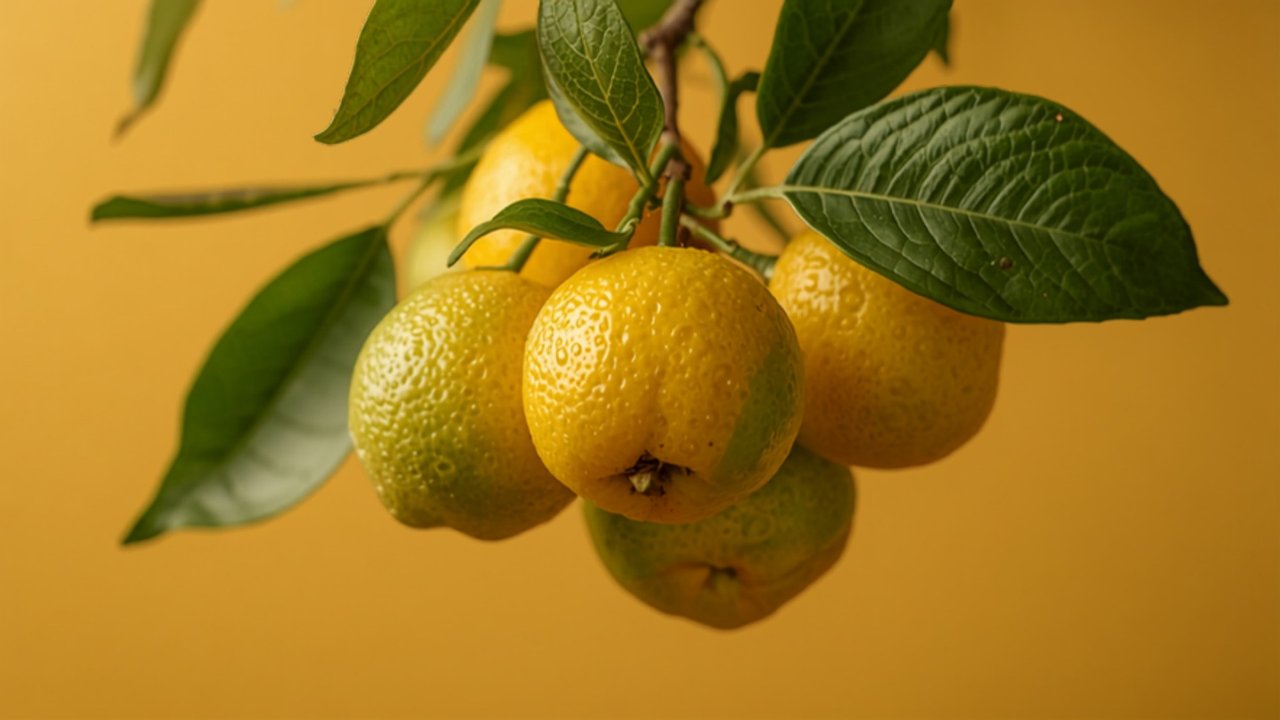
The Nose
Where perfumery begins. Learning to smell deliberately, mapping the families, and blending and bottling your first fragrance.
- Smell analytically on blotters, and describe it in a perfumer's vocabulary
- The families — citrus, floral, fougère, chypre, amber, woody
- Top, heart and base, and why evaporation drives all of it
- Dilution, skin safety and IFRA limits in plain language
- Your first accord, and a finished eau de toilette
The Bench
The real jump: from drops and guesswork to a raw-materials palette weighed by the gram, and the classic accords nearly every perfume is built from.
- Weigh to 0.001 g and express every formula as percentages
- 40–60 key materials — naturals and aroma chemicals — by heart
- Citrus-cologne, soft amber, fougère, chypre base, floral bouquet
- Fixatives and musks: controlling longevity and sillage
- Your first compliance check, and your first reformulation
The Profession
The step from hobby to craft. Compose from a written brief, reconstruct an existing fragrance, and take a formula to a costed, compliant, finished product.
- Read and write a creative brief, and translate it into a formula
- Work fluently from a 100+ material palette
- Reverse-engineer an existing fragrance to learn its structure
- Produce a full IFRA sheet and an allergen declaration
- Cost a formula, scale it, and finish it properly
Nothing ships — and that is deliberate
No kit arrives at your door. The introduction names exactly what to buy, at what grade and in what quantity, and the application's library of four hundred materials tells you which suppliers list each one. Learning to source your own materials is part of becoming a perfumer, and it is the part almost nobody teaches. Expect to spend something on materials as you go — you can start for very little and add as you need.